
Description
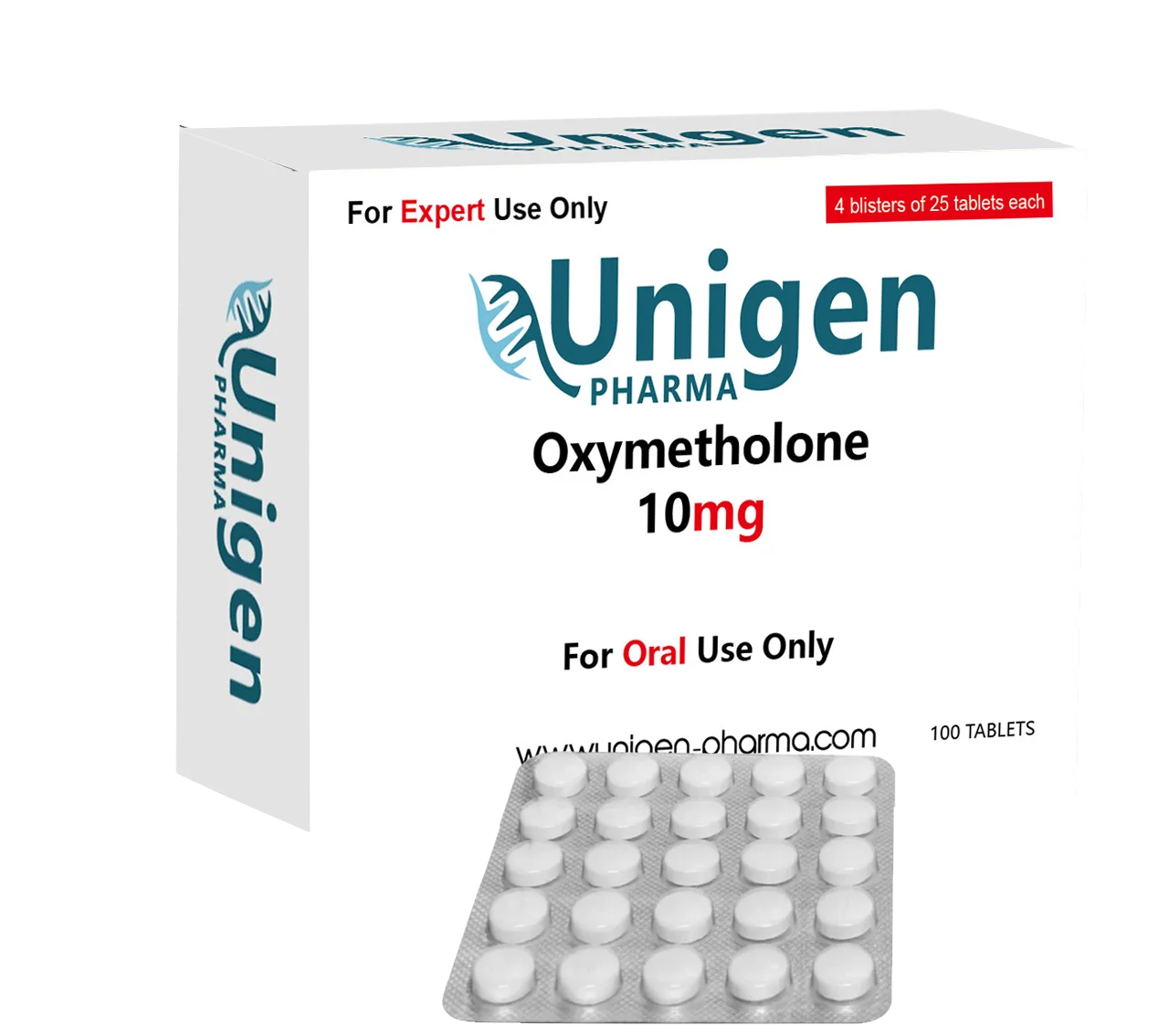
Unigen Oxymetholone carries the well-known brand name ANADROL. This compound is a potent synthetic anabolic-androgenic steroid (AAS). Chemically, it is a 17-alpha-alkylated derivative of dihydrotestosterone (DHT). The FDA has approved only one medical use for this drug. That use is the treatment of refractory anemias. These include aplastic anemia, myelofibrosis, and hypoplastic anemia from myelotoxic drugs. The drug stimulates erythropoietin production and urinary excretion. This action increases red blood cell production in patients with bone marrow failure.
How Does Oxymetholone Work?
The mechanism of oxymetholone extends beyond simple erythropoietin stimulation. Researchers have found that it also reduces ineffective erythropoiesis in the bone marrow. In some cases, patients achieve remission without a significant erythropoietin rise. For thalassemia patients, the drug improves hemoglobin levels. It counteracts the negative effects of the defective gene on messenger RNA activity.
Standard Dosing Guidelines
For approved medical use, adults take 1 to 5 mg per kilogram of body weight daily. Patients take the drug orally once daily or in divided doses. Taking it with food minimizes stomach upset. Treatment response typically takes 3 to 6 months to develop fully. Physicians must monitor liver function tests regularly during therapy. They also check serum lipids frequently.
Severe Liver Toxicity: The Major Warning
Oxymetholone carries the most severe black-box warnings for hepatotoxicity. This toxicity stems directly from its 17-alpha-alkylated structure. This chemical modification protects the drug from first-pass liver metabolism. Consequently, the liver bears the full brunt of the compound’s effects. Long-term use or high doses can cause cholestatic hepatitis. Patients may develop jaundice, liver cysts, or life-threatening hepatocellular neoplasms. Case reports describe athletes taking 100 mg daily for years. Many of them developed fatal liver carcinoma.
Cardiovascular and Other Serious Risks
The drug also poses significant cardiovascular dangers. It severely suppresses good HDL cholesterol, often below 20 mg/dL. Simultaneously, it elevates LDL and causes sodium and water retention. This creates a highly atherogenic lipid profile. Women face irreversible virilization risks. These include deepening voice, hirsutism, and clitoromegaly. Drug therapy must stop immediately when these signs first appear.
Who Should Avoid This Drug?
This drug is strictly contraindicated in several patient groups. Patients with severe liver or kidney disease must avoid it. Men with prostate or male breast cancer should not take it. Women with breast cancer and hypercalcemia cannot use it. Additionally, it increases sensitivity to oral anticoagulants like warfarin. Therefore, physicians must monitor prothrombin time and INR closely. Diabetic patients may need insulin or oral hypoglycemic adjustments.
Important Internal & External Links
Internal Links:
-
A Guide to Post-Cycle Therapy (PCT)
-
Understanding and Managing Gynecomastia
-
The Importance of Liver Support Supplements
External Links:
-
Unigen Oxymetholone Product Listing (Placeholder)
-
Drugs.com – Oxymetholone (Anadrol) Full Prescribing Information



Reviews
There are no reviews yet.